Therapy for Military, Veterans & First Responders in San DiegoOnline Across CA, FL, ID & SC
Experienced, straightforward trauma care for the people who show up when it matters
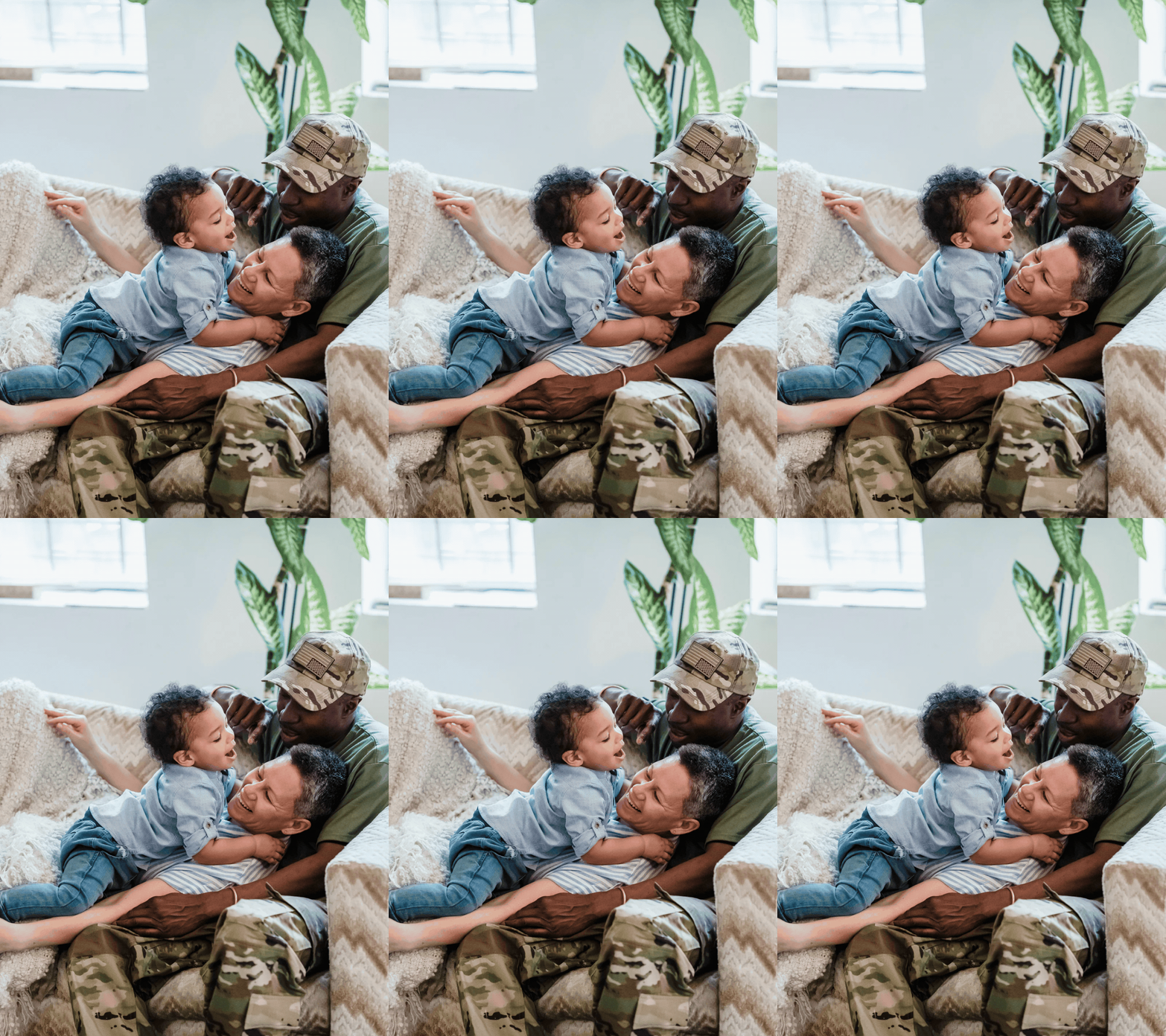
Carrying the Weight of the Job, Even When You're Off Duty?
You're trained to stay steady in situations most people will never face. That training works on the job. But over time, what you've seen and done can follow you home.

You might notice:
Trouble shutting off after a shift or sleeping through the night
Always scanning the room, even when you're safe
Irritability or a short fuse with the people you love
Images or memories that come back when you try to rest
Feeling numb, detached, or just not like yourself
Guilt or anger over things that went against what you believe is right
A sense that people outside the job don't really get it
These are normal responses to an abnormal amount of stress. They are not signs of weakness. Therapy is a confidential place to deal with what you've carried and get back to feeling like yourself.
Already Connected Through a Nonprofit Partner?
If you were matched with me through The Headstrong Project or The Overwatch Collective, welcome.
Here's who you'll be working with:
20+ years as a therapist, with a career that started in 2001 as a research assistant at the VA
Five years as a counselor on a naval base
Five years at a residential treatment program for veterans
Certified in Cognitive Processing Therapy (CPT) and trained in Prolonged Exposure (PE)
Married to a firefighter, so I understand the job and what it asks of families at home
Why Military Members & First Responders Choose to Work With Me
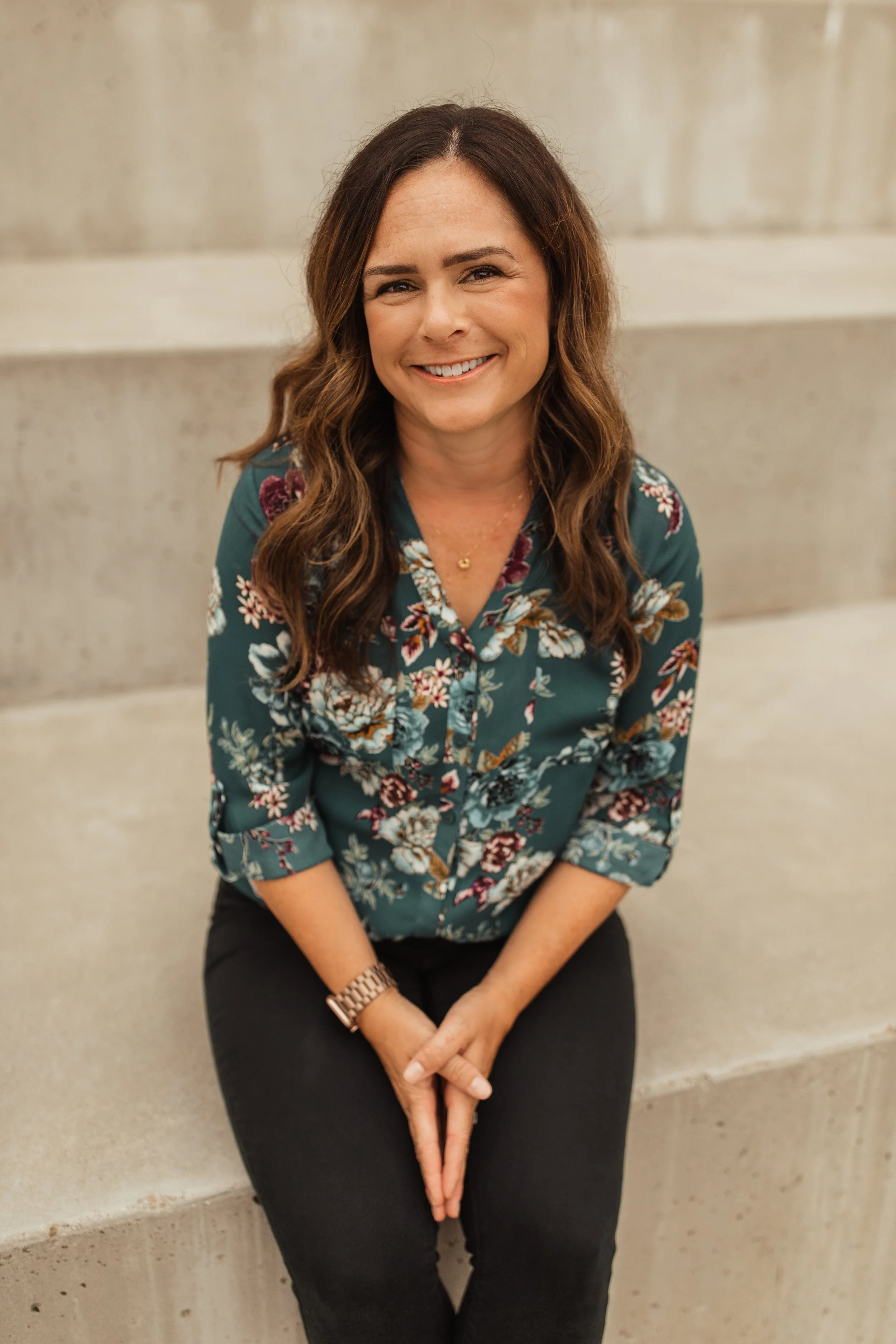
I've spent most of my career alongside service members, veterans, and first responders. I know the culture, the humor, the pressure to handle it yourself, and the hesitation many people feel about talking to a therapist at all.
I use CPT and PE because they're two of the most researched treatments for PTSD, and I follow them the way they're designed to be done. What's different is how we get there. In a lot of settings, you're placed into these treatments right away, with someone you barely know. I take time up front to get to know you and build real trust before we start. When we begin, you already know who's in the room with you, and the structure feels a lot more personal.
You'll get straight answers, a clear plan, and someone who's in it with you.

When the Job Follows You Home
Combat & Critical Incident Trauma
Deployments, calls, and incidents can leave a mark long after they're over. Process what happened so it no longer controls your days or your nights.
Always on Alert
Staying ready is part of the job. When you can't turn it off, it wears on your body, your mood, and your relationships.
Sleep & Shift Work
Night shifts, rotations, and stress disrupt sleep. CBT for Insomnia is a short-term, proven approach to sleeping better without relying on medication.
Moral Injury
When something conflicts with your values or sense of right and wrong, it can leave lasting guilt, anger, or frustration. Therapy helps you work through it.
Bringing It Home
The job affects how you show up with your partner, your kids, and your friends. Learn to be present at home without carrying the shift in with you.
Transitions & Identity
Leaving the service, retiring, or changing roles can shake your sense of purpose. Get support as you figure out what comes next.
How Therapy Can Help
Therapy helps you understand how ongoing stress and trauma affect your mind and body, and gives you practical tools to recover. Together, we'll work through what you've been carrying so it stops showing up uninvited.
As therapy continues, you may begin to notice:
Sleeping better and waking up rested
Feeling calmer and more in control under stress
Being more patient and present at home
Fewer intrusive memories and reactions
A better balance between the job and the rest of your life
Financial Assistance Through Nonprofit Partners
Cost shouldn't stand in the way of getting help. I'm a clinical partner with nonprofits that cover therapy for those who serve.

I am honored to be a clinical partner with The Headstrong Project, which enables me to provide free therapy for veterans.
I am a proud clinical partner with The Overwatch Collective (TOC). TOC is a 501(c)(3) nonprofit and podcast with the mission of offering mental health resources and financial assistance for the first responder and military community.
What to Expect in Therapy
-
A free 15-minute call to ask questions and see if we're a good fit. If you've been referred through a nonprofit partner, we'll get you scheduled.
-
We start with tools to manage stress reactions and improve sleep, so you feel more grounded day to day.
-
When you're ready, we work through the experiences that still weigh on you, using proven trauma treatment at a pace that works for you.
What Progress Can Look Like
Progress usually starts with small wins: a full night's sleep, a calmer drive home, an evening where you're present with your family. Those wins build.
Progress might sound like:
“I can leave work at work.”
“I’m sleeping through the night again.”
“I’m more patient with my family.”
“I finally feel like myself again.”
Frequently Asked Questions
-
Active duty service members, veterans, firefighters, police officers, EMTs and paramedics, dispatchers, and other first responders. I work with adults in individual therapy.
-
Yes. What you share stays between us, with the standard legal and safety exceptions, which I'll walk you through in our first session.
-
I'm certified in Cognitive Processing Therapy (CPT) and trained in Prolonged Exposure (PE), two of the most researched treatments for PTSD. I also use CBT for Insomnia for sleep problems.
-
This is a question I hear a lot. The research behind these treatments is strong, but how they're delivered matters. I adapt the work to you, explain the purpose of each step, and move at a pace that feels manageable.
-
I don't. I focus on CPT and PE because of the strength of their research for PTSD. I'm happy to talk through your options during a consultation.
-
You may qualify for no-cost care through one of my nonprofit partners. The Headstrong Project serves veterans, and The Overwatch Collective supports first responders and the military community.
-
In person in San Diego and online through secure telehealth across California, Florida, Idaho, and South Carolina.
-
Schedule your free 15-minute consultation online or by email.
Complete your intake paperwork.
Begin therapy with a plan built around you.
Ready to Get Back to Feeling Like Yourself?
You don't have to carry this alone. Therapy offers a confidential place to deal with what you've seen, get your sleep back, and feel steady on and off duty.
If you're in immediate danger, call 911. Veterans and service members can reach the Veterans Crisis Line by dialing 988 and pressing 1. Anyone can call or text 988 for 24/7 support.